
Winter in Westminster, CO, can be tough on vehicles. Between road salt, sand, slush, and sudden temperature swings, your car’s paint endures constant exposure to harsh elements. Local drivers often notice their paint looking duller, more scratched, and harder to clean once winter rolls around. It’s no wonder so many Colorado residents are asking the question:
Does ceramic coating protect your car from winter salt and sand?
The short answer: Yes – ceramic coating provides real protection, but it’s not magic. Let’s break down exactly how it works and what you can expect during Colorado winters.
Colorado road crews use a combination of salt, sand, and liquid de-icers to keep roads safe during snow and ice. While it’s effective for driving, it’s not great for your vehicle. Salt causes corrosion, sand creates micro-scratches, and slush spreads all over your paint.
One solution more drivers are turning to is ceramic coating – a long-lasting protective layer designed to shield your vehicle from the elements. But how well does it really hold up when winter hits?
What Winter Salt and Sand Do to Your Vehicle
Salt = Accelerated Corrosion
Salt attracts moisture, which speeds up rust formation. Even a small chip in your paint can expose metal underneath, allowing rust to spread quickly.
Sand = Micro-Scratches
Sand works like extremely fine sandpaper. As it blows around or gets kicked up from the road, it can leave swirl marks and dull patches in your clear coat.
Salt + Sand + Moisture = Winter Damage
Add slushy moisture into the mix, and you have a recipe for:
- Etching and staining
- Embedded contaminants
- Diminished gloss and clarity
- Long-term corrosion issues
This is where ceramic coating becomes valuable.
What Ceramic Coating Actually Does
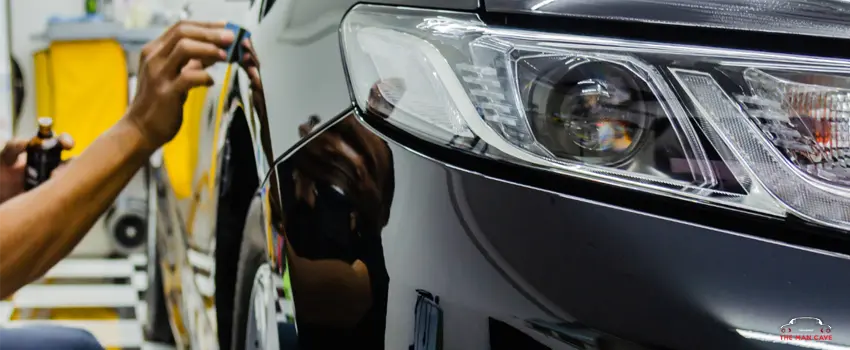
Ceramic coating is a liquid polymer that cures into a hard, glass-like layer made from SiO₂ (silicon dioxide). This creates a hydrophobic (water-repelling) barrier over your paint. Once professionally applied and cured, it bonds to your clear coat for years—not months.
What makes ceramic coating different from wax or sealant?
- Wax lasts weeks.
- Sealants last a few months.
- Ceramic coatings last for years with proper maintenance.
Ceramic coating doesn’t just sit on the surface; it fuses with your paint, giving it superior durability and winter performance.
Learn more about how coatings work. Get a Quote
Does Ceramic Coating Protect Against Salt?
Absolutely – ceramic coating helps minimize salt damage in multiple ways.
Hydrophobic Properties
Because water and slush slide off more easily, salt doesn’t get as many opportunities to cling to your clear coat.
Salt Can’t Bond as Easily
The hardened layer prevents salt from sticking or etching into the paint, which slows down corrosion.
Easier Winter Washing
A coated vehicle usually needs less scrubbing and fewer harsh chemicals to get clean.
But… It’s NOT Rust-Proofing
Ceramic coating:
- Does protect paint
- Does NOT protect bare metal or the undercarriage
For areas under the vehicle, frequent underbody washes are still essential.
Does Ceramic Coating Protect Against Sand?
Sand is a big part of winter driving in Colorado. The good news is:
The Coating Reduces Micro-Scratches
Ceramic coating adds a harder, slicker surface, which helps resist light abrasion from sand and dirt.
Keeps Paint Glossy
Since sand doesn’t mar the surface as easily, your vehicle stays shiny even after repeated winter storms.
But… It’s NOT Anti-Scratch Armor
Ceramic coatings are durable, but they cannot protect against:
- Deep scratches
- Rock chips
- High-impact debris
For maximum protection, especially on the front end, many owners combine ceramic coating with XPEL Paint Protection Film.
Winter Performance Benefits Beyond Salt & Sand
Ceramic coatings bring several additional advantages during cold weather:
Snow & Ice Don’t Stick as Much
Your morning warm-up time is shorter, and ice scraping becomes easier.
Resists Road Grime and Slush Stains
Slush can leave nasty streaks and residue on unprotected paint. Coating makes cleanup simple.
Safer Visibility With Glass Coatings
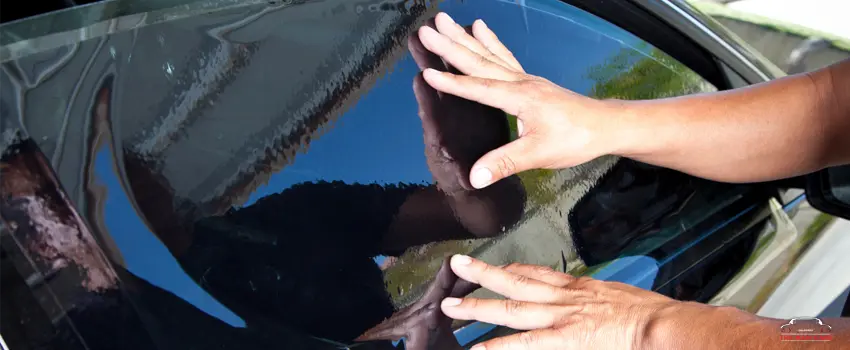
When applied to windshields and windows, coatings help repel snow and improve water beading.
All of this adds up to a cleaner, better-protected vehicle throughout the winter season.
What Ceramic Coating Does NOT Do
It’s important to have realistic expectations.
Ceramic coating does NOT:
- Replace regular washing — winter still requires regular rinsing
- Protect undercarriage areas from rust
- Prevent rock chips or deeper scratches
- Replace paint protection film
Think of ceramic coating as a major upgrade in protection, not a total force field.
Best Practices for Winter Protection
To get the best results in Colorado winters, combine ceramic coating with smart winter maintenance:
Regular Rinsing
Even with a coating, you should rinse off salt every 1–2 weeks.
Add Paint Protection Film (PPF) Where Needed
Front bumpers, hoods, and side mirrors are sand and rock-chip magnets. Paint Protection Film (PPF) + coating is the ideal combo.
Undercarriage Washes
This prevents salt buildup on metal components.
Professional Application
DIY coatings rarely match the durability, clarity, and curing results of a professional install.
If you want maximum winter performance and longevity, a certified shop – like Man Cave Colorado in Westminster – will deliver the best results after prepping the paint and applying the coating correctly.
Conclusion
So, does ceramic coating protect your car from winter salt and sand?
Yes – it significantly reduces damage, makes cleaning easier, and helps preserve your paint’s shine during harsh Colorado winters.
But remember: it works best as part of a full winter protection strategy.
If you want long-term protection, better shine, and easier maintenance this winter, ceramic coating is one of the smartest investments you can make in your vehicle.
FAQ
- Does ceramic coating protect my car in winter?
Yes. Ceramic coating adds a durable, hydrophobic layer that helps shield your paint from salt, sand, slush, and road grime during the winter months. It doesn’t make your car invincible, but it significantly reduces damage and makes cleaning easier.
- Can ceramic coating prevent salt damage?
Ceramic coating helps minimize salt-related corrosion by preventing salt from bonding to your clear coat. While it protects paint, it does not protect bare metal or the undercarriage – regular underbody washes are still needed.
- Does ceramic coating stop scratches from winter sand?
It protects against light abrasion and micro-scratches, but it cannot prevent deeper scratches or rock chips. For maximum winter protection, many drivers pair ceramic coating with paint protection film (PPF).
- Is ceramic coating worth it for Colorado winters?
Absolutely. Colorado’s mix of salt, sand, and temperature swings makes winter especially tough on paint. A ceramic coating provides long-term protection, improved gloss, and easier maintenance throughout the season.
- How long does ceramic coating last in winter conditions?
Professional ceramic coatings typically last 2–5 years, even with winter exposure – especially when paired with routine rinsing and proper maintenance.