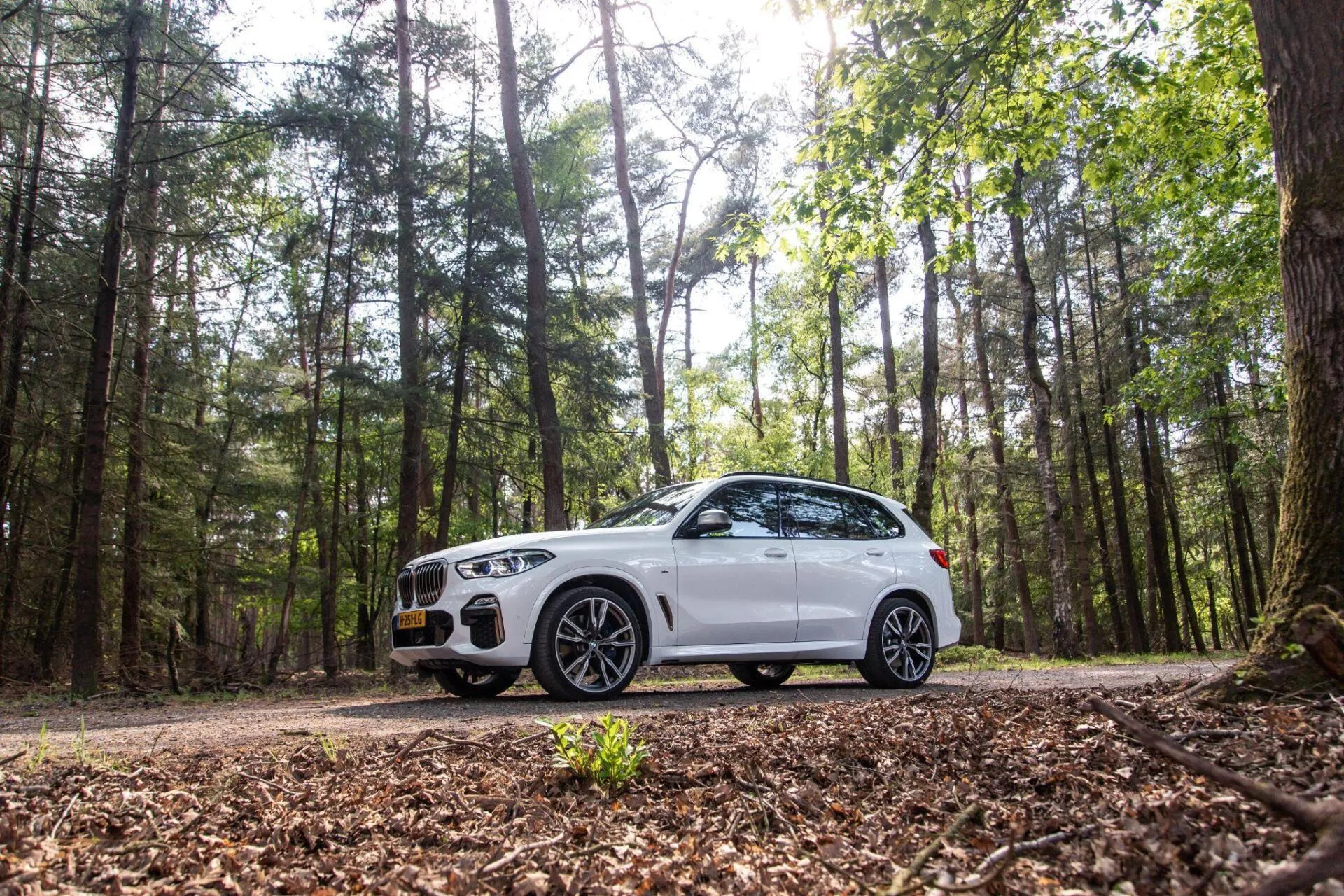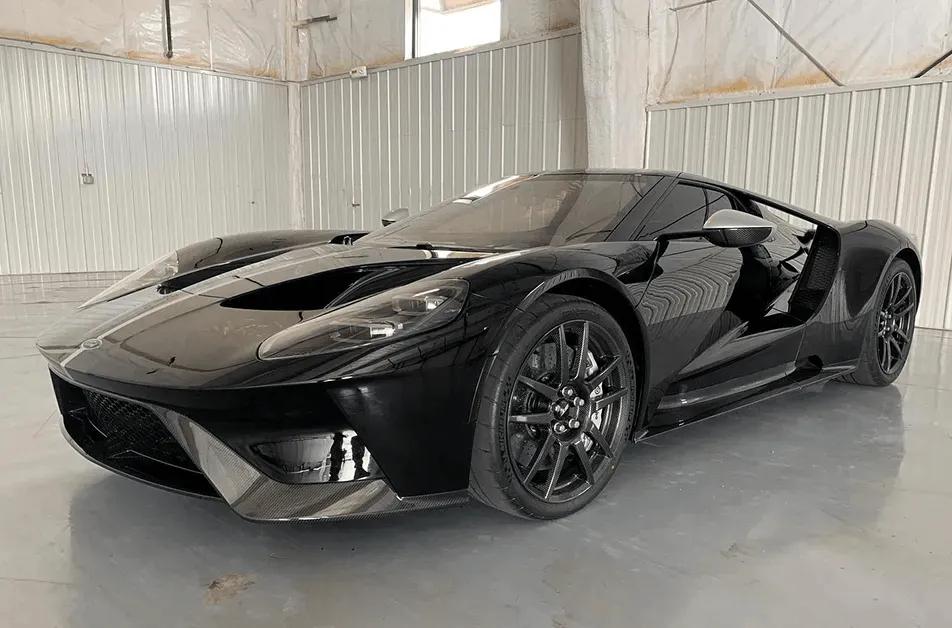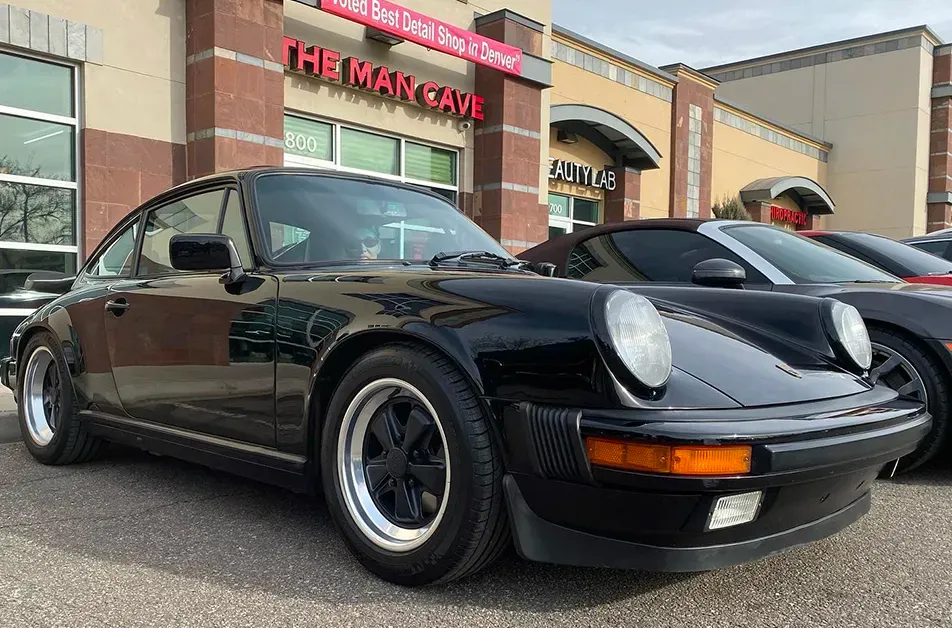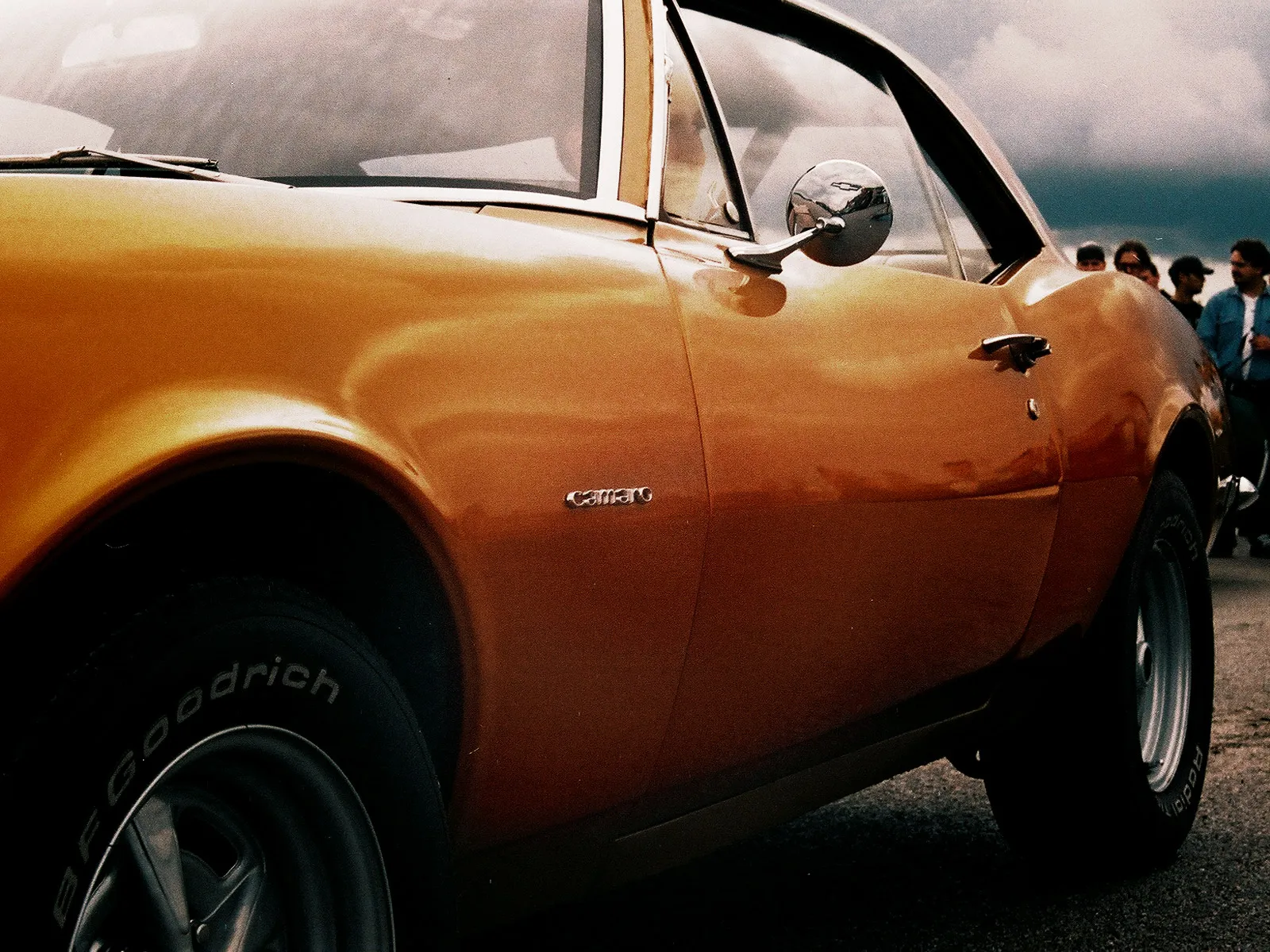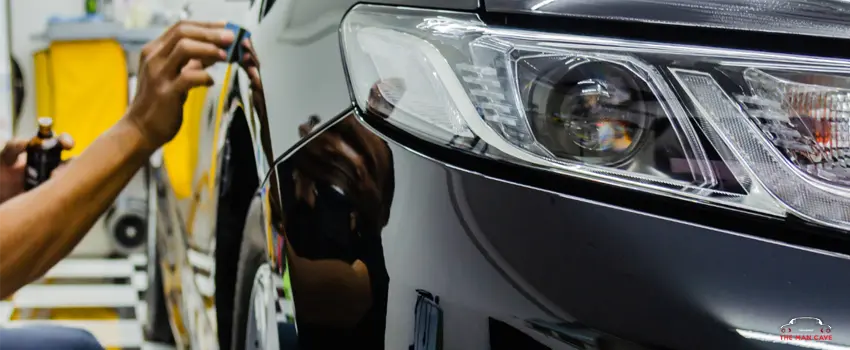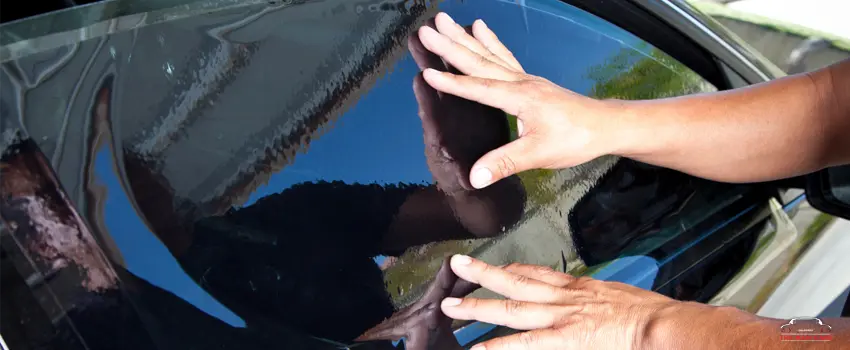

If you’ve ever joked about the “Colorado windshield”—that unavoidable cracked glass from flying rocks—you already understand the problem. Unfortunately, your vehicle’s paint faces the exact same danger. Every drive on I-70, C-470, or local Westminster roads exposes your paint to rock chips, sand, salt, and intense sun.
That’s why more Colorado drivers are choosing paint protection film as their first line of defense. At Man Cave Detail, we often hear the same question: When is the best time to get PPF on your car?
The short answer: as soon as possible.
The longer (and more helpful) answer: certain seasons in Colorado offer unique advantages for installation, curing, and long-term protection. Let’s break it down.
The “Golden Rule”: Timing for New Vehicles
If you just bought a new car, this part is simple.
Immediate Protection Is Best
The best time to get PPF on your car is the day you drive it off the lot. Factory paint is flawless, making it the ideal candidate for paint protection film. Installing PPF early locks in that perfect finish.
The Risk of Waiting
One trip through the foothills or a single highway commute can cause permanent rock chips. Once the paint is damaged, it must be corrected before PPF can be applied—adding cost and time.
Save Money Long-Term
Protecting pristine paint is far more affordable than fixing damage later. Early PPF installation reduces the need for paint correction, touch-ups, and repainting down the road.
Seasonal Breakdown: When to Schedule Your Install
Colorado’s seasons don’t just affect your wardrobe—they dramatically impact your vehicle’s paint.
Spring: The “Recovery” Season
Winter may be over, but the danger isn’t.
Why Spring Works:
- Roads are still covered in leftover sand and gravel from winter storms
- Rock chips are most common during early spring driving
- Ideal time to repair winter damage and add protection
What Matters Most:
Before installing paint protection film, a deep decontamination wash is essential. Winter magnesium chloride residue must be removed to ensure proper adhesion.
Summer: The “Ideal Curing” Window
If there’s a perfect season for PPF installation in Colorado, summer is it.
The Heat Advantage
PPF is thermoplastic, meaning warm temperatures help:
- Adhesive bonds faster
- Moisture evaporates quickly
- Film settles more evenly
UV Protection at Its Peak
Colorado’s high-altitude sun is brutal. Summer is the prime season to stop:
- Paint oxidation
- Clear coat fading
- Premature aging
This is why many drivers in PPF Westminster searches schedule installs between June and August.
Fall: The “Pre-Winter” Shield
Fall is all about preparation.
Why Fall Is Strategic:
- Shields the paint from upcoming snowplows and salt spreaders
- Protects against winter road debris before it starts
- Cooler temps are still workable for proper curing
The Deadline
Installing PPF before the first major freeze ensures the film fully cures while temperatures remain stable.
Winter: The “Necessary” Risk
Winter PPF installation is possible—but comes with considerations.
The Challenge
Cold temperatures can:
- Make the film stiffer
- Slow adhesive curing
- Extend the moisture evaporation time
The Professional Solution
At Man Cave Detail, we install PPF year-round using climate-controlled environments. Vehicles may need to stay indoors longer, but protection is still achievable—even in January.
Why Colorado’s Environment Dictates PPF Timing
Colorado isn’t just tough on drivers—it’s brutal on paint.
High-Altitude UV Exposure
At 5,280+ feet, UV radiation is stronger. Paint fades faster, clear coats weaken, and oxidation accelerates without protection.
Magnesium Chloride De-Icers
Unlike traditional salt, magnesium chloride:
- Sticks to paint longer
- Eats away at the clear coat
- Causes staining if not cleaned quickly
The “Sand” Factor
Colorado uses more sand and fine gravel than pure salt, increasing physical impact damage—exactly what paint protection film is designed to absorb.
Key Factors to Consider Before Booking PPF
Before scheduling your install, keep these practical details in mind:
Curing Time
After installation:
- Avoid washing your car for about 7 days
- Let the film fully bond and “gas out”
Garage Access
Having a garage helps maintain stable temperatures during the initial curing phase—especially in Spring, Fall, or Winter.
Shop Availability
Spring and early Summer are peak seasons for Colorado detailers. Booking early ensures you get the coverage and timeline you want.
Why We Use XPEL Paint Protection Film
At Man Cave Colorado, we trust XPEL because it delivers:
- Industry-leading clarity
- Self-healing technology
- Long-term durability
- Strong manufacturer warranties
You can learn more about the technology behind it directly from XPEL: https://www.xpel.com/
Final Thoughts: When Is the Best Time?
The best time to get PPF on your car is now. But if you want to be strategic:
- Summer offers the best curing conditions
- Fall offers the best pre-winter protection
Either way, paint protection film isn’t an expense—it’s an investment in your vehicle’s appearance, longevity, and resale value in Colorado’s unforgiving environment.
Frequently Asked Questions
What is paint protection film (PPF)?
Paint protection film (often called a “clear bra”) is a transparent, durable urethane film applied to painted surfaces to protect against rock chips, scratches, road debris, bug splatter, and UV damage. It acts as a sacrificial layer, taking the abuse so your factory paint doesn’t.
When is the best time to get PPF on your car in Colorado?
The best time to get PPF on your car is as soon as possible—especially for new vehicles. However, summer offers the best curing conditions, while fall is ideal for protecting your paint before winter road salt and sand arrive.
How long does paint protection film last?
High-quality PPF, like the film installed at Man Cave Detail, typically lasts 7–10 years with proper care and maintenance. Many films also include manufacturer warranties.
Does PPF protect against Colorado rock chips?
Yes. PPF is specifically designed to absorb impacts from sand, gravel, and road debris—common causes of rock chips on Colorado highways like I-70 and C-470.
Can PPF be installed during winter?
Yes. Professional shops with climate-controlled environments can install paint protection film year-round. In winter, the vehicle may need to remain indoors longer to allow proper curing.
Will paint protection film change the look of my car?
No. PPF is virtually invisible and preserves your vehicle’s original finish. Some drivers even notice enhanced gloss. Matte or satin finishes are also available for those wanting a stealth look.