
When winter hits Westminster, CO, most drivers assume they need to wait for warmer weather to tint their windows. But here’s the surprising truth: yes, you can get your window tinted in winter — you just need to understand how the cold affects the installation process.
While winter tinting works perfectly when done by professionals, colder temperatures slow down something crucial called the curing time, which is the process that allows the tint film to fully bond to the glass.
With the right shop, the right environment, and the right expectations, winter tinting is not only possible but still an excellent investment for your vehicle.
Below, we break down everything you need to know before scheduling your winter window tinting appointment.
The Science of Tinting in the Cold
How Window Tint Is Installed
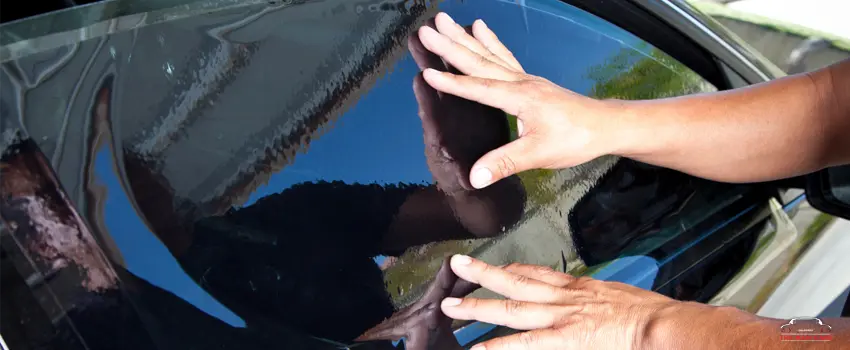
Window tint film is applied using a slip solution — typically a mix of water and soap. This allows the installer to position the film precisely before it begins bonding to the glass.
Understanding the Curing Process
After installation, the tint begins to “cure,” meaning:
- The water between the film and the glass evaporates
- The adhesive activates and bonds the film to the window
Warm temperatures help this happen quickly. Cold temperatures slow it down significantly.
Curing Time: Summer vs. Winter
- Summer / Warm Weather: 3–7 days (can be shorter if the car is left out in the sun)
- Winter / Cold Weather: 2–4 weeks (or longer in extreme cold)
So while winter tinting is absolutely doable, it simply requires more patience.
Potential Challenges of Winter Tinting
1. Slower Curing
The biggest winter hurdle is delayed cure time. The film can take weeks to fully dry and adhere, especially when overnight temperatures dip into the teens.
2. Temporary Moisture or Bubbles
Cold temps may trap moisture longer, causing:
- Cloudiness
- Hazy spots
- Small water bubbles
These are normal and expected. They are not defects — and most importantly, you should never try to push them out yourself, as this can permanently damage the film.
3. The “No Roll Down” Rule (Extended!)
In warm weather, you typically avoid rolling windows down for 3–5 days.
But in winter?
Expect at least 7–14 days, or follow your installer’s recommendation. Rolling windows down too early can peel or shift the tint.
How Professional Installers Mitigate Winter Challenges
Climate-Controlled Installation
A reputable shop (like Man Cave Colorado!) tints vehicles inside heated, climate-controlled bays, allowing the adhesive to activate correctly during application.
Using Heat Guns & Professional Equipment
Certified installers may warm glass surfaces or use heat guns to speed up initial bonding — something you won’t get with DIY tint kits.
Post-Installation Warm-Up
After the job is done, a quick drive with the heat or defrost setting on helps the tint start curing properly.
This is one reason choosing a trusted local shop matters — experience and the right environment make all the difference.
Top Winter Tinting Tips for Colorado Drivers
1. Avoid Rolling Down Your Windows
Stick to the installer’s extended timeline: 7–14 days minimum in winter.
2. Expect Minor Hazing
Haze, moisture pockets, or tiny bubbles are normal in cold-weather tinting and fade as the film dries.
3. Use Vehicle Heat Wisely
Running the heater or defroster for short periods helps the film dry — but avoid sudden extreme temperature shifts, like blasting heat directly onto ice-cold glass.
4. Don’t Clean the Inside of Your Windows Yet
Hold off on cleaning for at least a month or until the tint is fully cured.
Why Winter Tinting Is Still Worth It
Even if curing takes longer, winter window tinting provides immediate and long-lasting benefits:
- UV protection
- Reduced glare on snowy roads
- Greater privacy
- Better interior temperature control
- Prevention of interior fading
And with premium films from brands like XPEL, you’ll enjoy industry-leading clarity, durability, and heat rejection — no matter the season.
Final Thoughts
Winter tinting is absolutely possible and perfectly safe when performed by professionals using proper tools, techniques, and climate-controlled environments. As long as you’re patient with the extended curing time, you’ll enjoy all the benefits of window tinting year-round.
Ready to get your winter tint installed?
FAQ: Winter Window Tinting in Colorado
- Can you tint windows in the winter?
Yes! Winter window tinting is completely possible as long as it’s done in a heated, climate-controlled shop. The cold doesn’t affect the installation itself — it only slows the curing process afterward.
- Does cold weather affect how tint cures?
Yes. Tint cures as moisture evaporates from between the film and the glass. Because cold temperatures slow evaporation, winter curing can take 2–4 weeks, compared to 3–7 days in summer.
- Is it normal to see bubbles or haze after winter tinting?
Absolutely. Small water bubbles, haziness, or streaks are completely normal during the extended winter curing process. These usually disappear on their own and should not be touched or pressed.
- How long before I can roll my windows down after tinting in winter?
Drivers in Westminster, CO, should wait 7–14 days before rolling down their windows after a winter tint installation. Rolling them down too early can peel or shift the film.
- Will the tint still adhere properly even if it’s cold outside?
Yes — as long as the tint is installed indoors in a temperature-controlled environment, the adhesive bonds correctly. Reputable shops use heat guns and proper techniques to ensure a strong, lasting bond.
- Should I use my car’s heater to help the tint cure?
Yes, but gently. Running your heater or defroster on a moderate setting helps warm the glass and speed up curing. Avoid extreme temperature blasts on cold glass, which can cause stress.